Isle of Skye Traffic Concerns Over Wind Turbine Storage Plan
Sabine Hoffmann ·
Listen to this article~4 min
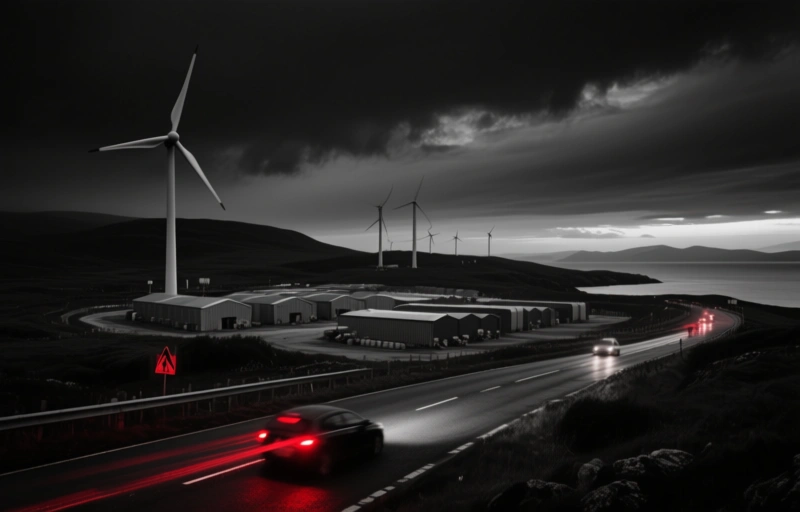
Plans for a national wind turbine storage facility on the Isle of Skye are raising major traffic concerns that could impact local craft businesses and island accessibility during peak seasons.
You've probably heard about the Isle of Skye's stunning landscapes and vibrant craft scene. But there's a new development causing quite a stir among locals and visitors alike. It's not about a new artisan shop opening, but rather a large-scale industrial proposal that could impact the island's famous tranquility and accessibility.
Plans have been officially submitted to establish a national wind turbine storage facility on the island. Now, I know what you're thinking—renewable energy is important. And you're absolutely right. But the location and scale of this project are raising some serious eyebrows, particularly around one major issue: traffic.
### The Heart of the Concern
Skye's road infrastructure is, to put it mildly, not built for heavy industrial transport. We're talking about single-track roads with passing places, winding coastal routes, and bridges that weren't designed for massive turbine components. The proposal involves storing and transporting these enormous structures—some blades stretching over 200 feet long—through communities that currently struggle with summer tourist traffic.
Local business owners, especially those in the handmade craft sector, are worried. Their livelihoods depend on visitors being able to reach their shops and studios. A craftsperson I spoke with mentioned, "Our customers come for the peace and beauty. If the roads become clogged with industrial vehicles, that experience is shattered."

### Potential Impact on Island Life
Let's break down what this could mean for daily life on Skye:
- **Tourist access**: Many visitors come specifically for the handmade crafts—woolens, pottery, jewelry. Difficult access could deter them.
- **Local commute**: Residents already face challenges getting to work, school, and services during peak seasons.
- **Emergency services**: Ambulances and fire trucks need clear routes, something that could be compromised.
- **Business deliveries**: Getting supplies to remote craft shops could become more expensive and unreliable.
One community leader put it this way: "We support green energy, but not at the cost of our community's wellbeing and economic stability."

### Looking for Solutions
The conversation isn't about blocking progress entirely. Many islanders are asking whether alternative locations have been properly considered. Could mainland sites with better road and rail connections handle this storage need? Are there ways to minimize the number of transports or schedule them during off-peak seasons?
There's also talk about whether the economic benefits promised—primarily temporary construction jobs—outweigh the potential long-term impacts on tourism and local businesses. The craft industry provides steady, year-round employment that could be threatened if visitors find Skye too difficult to navigate.
### What Happens Next
The planning process is underway, and community consultations are expected. For craft professionals and other business owners on Skye, this represents a critical moment. They're organizing, gathering data on how increased industrial traffic might affect their operations, and preparing to voice their concerns at official hearings.
It's a classic case of balancing national energy needs with local community preservation. The outcome could shape Skye's character for decades to come. Will it remain the accessible haven for artisans and visitors that it's known for, or will industrial logistics reshape its identity?
Only time will tell, but one thing's certain—the people of Skye aren't taking this proposal lightly. They're fighting to protect what makes their island special, while acknowledging the broader context of Scotland's renewable energy goals. It's a delicate dance, and everyone's watching to see how it unfolds.