Isle of Skye Traffic Concerns Over Turbine Storage Plans
Sabine Hoffmann ·
Listen to this article~5 min
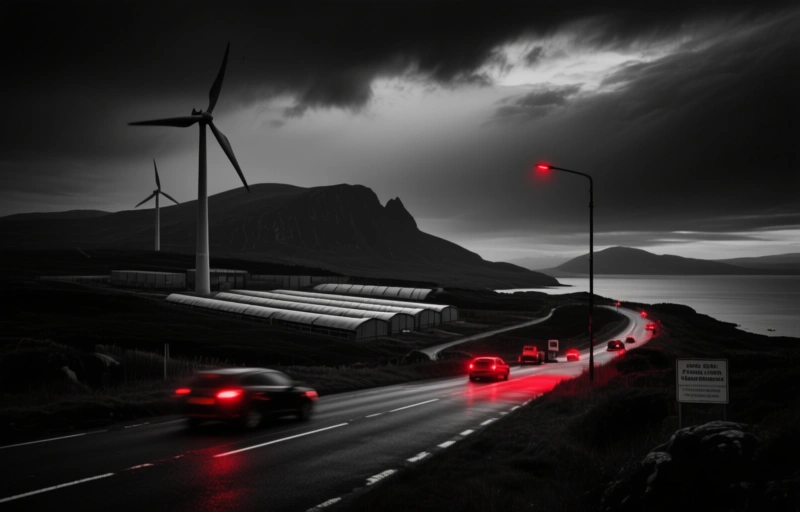
Plans for a national wind turbine storage site on the Isle of Skye raise significant traffic concerns that could impact tourism and local life on the island's already congested roads.
You know how it is when you're planning that perfect trip to the Isle of Skye. You're dreaming of those dramatic landscapes, the quiet roads winding through the hills, and maybe finding a cozy handmade craft shop tucked away in a village. Well, there's a new development that might just change that picture for visitors and locals alike.
Plans have been officially submitted to turn part of the island into a national storage site for wind turbines. That's right – those massive structures you see dotting the countryside could soon be passing through Skye in big numbers. And honestly, it's got a lot of people talking, and not necessarily in a good way.
### What's Actually Being Proposed?
Let's break this down simply. The proposal involves using Skye as a central hub where wind turbine components would be stored before being shipped out to various wind farm projects. We're talking about blades that can be over 200 feet long and tower sections that weigh several tons. These aren't exactly items you can pop in the back of a pickup truck.
The storage site would need to handle these massive components, which means big trucks moving them around. And that's where the concerns really start to pile up. Skye's roads weren't built for this kind of industrial traffic, and many are wondering if the island's infrastructure can handle it.

### The Traffic Problem Everyone's Worried About
Here's the thing – Skye already sees its fair share of traffic challenges during peak tourist season. The main roads can get pretty congested, especially around popular spots like the Old Man of Storr or the Fairy Pools. Now imagine adding oversized loads carrying turbine parts to that mix.
- Single-track roads with passing places becoming bottlenecks
- Delays for tourists trying to explore the island
- Potential damage to road surfaces from heavy loads
- Safety concerns for cyclists and pedestrians
It's not just about inconvenience either. For local businesses that rely on tourism, anything that makes visiting Skye more difficult could hit them right in the pocketbook. And let's be real – nobody wants to spend their vacation stuck behind a convoy of turbine parts.
### The Economic Angle
Proponents of the plan point to potential economic benefits. They argue it could bring jobs to the island and position Skye as a key player in Scotland's renewable energy sector. There's talk of investment in port facilities and related infrastructure.
But here's a thought from someone who's seen these debates play out before: the devil's always in the details. What kind of jobs? How many? And for how long? Temporary construction jobs are different from permanent positions that support local families year-round.
As one local business owner put it recently, "We need development that works with our island, not against it. Tourism and renewable energy can coexist, but not if one chokes out the other."
### What Happens Next?
The planning process is now underway, which means there's a period for public consultation. Local residents, businesses, and even regular visitors to Skye can have their say about whether this project should go ahead. These decisions aren't made in a vacuum – community input actually matters.
Environmental assessments will look at everything from traffic impact to visual changes in the landscape. There will be discussions about mitigation measures too. Could deliveries be scheduled for off-peak seasons? Are there alternative transport methods that would cause less disruption?
### Looking at the Bigger Picture
This isn't just a Skye issue, really. It's part of a much larger conversation about how we transition to renewable energy while protecting the places people love. Scotland has ambitious green energy targets, and storage and transport infrastructure is a crucial piece of that puzzle.
But here's the question we should all be asking: at what cost? If developing renewable energy means sacrificing the very landscapes and communities that make Scotland special, are we really moving forward? Or just trading one set of problems for another?
For now, the people of Skye are waiting to see how this plays out. They're weighing potential economic benefits against very real concerns about their island's character and accessibility. And honestly, it's a balancing act that many communities across the country are facing as we figure out what our energy future looks like.
What's clear is this – decisions made in the coming months will shape Skye for years to come. Whether you're planning a visit next summer or you call the island home, it's worth paying attention to how this story develops. Because sometimes, the quietest places face the loudest changes.