Hollywood Crew Sparks Fury by Evicting Tourists from Scottish Sites
Sabine Hoffmann ·
Listen to this article~4 min
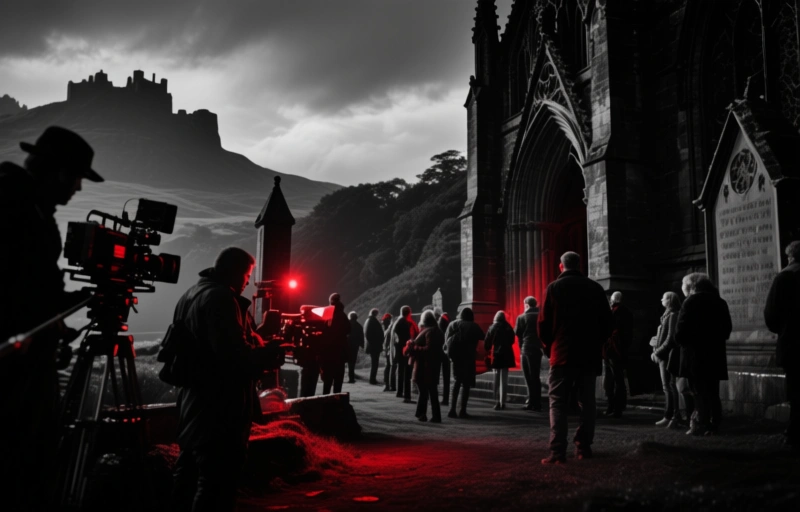
A Hollywood film production on Scotland's Isle of Skye is causing major controversy by closing popular tourist attractions, sparking anger from visitors and locals alike over access to public landscapes.
You know that feeling when you've planned a dream trip for months, saved up, and finally arrived at that iconic spot you've seen in pictures your whole life? Only to find a velvet rope and a security guard telling you it's closed for a film shoot. That's exactly what's happening right now on Scotland's Isle of Skye, and let's just say, the locals and visitors aren't happy about it.
A major Hollywood production has rolled into town, and in the process, they've essentially booted tourists out of some of the most popular and picturesque attractions on the island. We're talking about the places that make postcards. The kind of rugged, breathtaking landscapes that define the Scottish Highlands. It's causing a real row, as they say here, and it highlights a growing tension between the global film industry and the communities it temporarily occupies.
### What's Actually Happening on the Ground
Reports are coming in that film crews have established large, exclusive zones around key landmarks. Access roads are blocked, viewing areas are cordoned off with heavy security, and scheduled tours are being canceled with little notice. For travelers who may have journeyed thousands of miles, this isn't just an inconvenience—it's the crushing of a long-held dream. The economic impact is also significant. Local tour operators, B&Bs, and restaurants that rely on the steady stream of visitors are seeing a sudden, unexpected drop in business.
### The Bigger Picture: Tourism vs. Tinseltown
This isn't an isolated incident. It's part of a pattern we've seen from Iceland to New Zealand. When a big-budget production comes to town, it brings money and jobs, sure. But it also brings a certain entitlement. The crew's needs for secrecy, control, and perfect shots often trump the rights of the people who live there and the visitors who sustain the local economy year-round. It raises a tough question: who does a public landscape truly belong to?
- **The Argument for Filming:** Proponents say these films provide a massive, if temporary, economic boost. They hire local labor, rent equipment, and fill hotels. The global exposure from the movie can also lead to a long-term tourism increase, a phenomenon often called the "set-jetting" effect.
- **The Argument for Access:** Opponents argue that public land should remain public. They point to the disruption, the lack of transparent communication, and the feeling that an outside entity with deep pockets can simply displace the everyday person's vacation or livelihood.
There's rarely a perfect solution, but better communication and compromise are key. Could filming schedules be adjusted for off-peak hours? Could small, managed viewing areas be maintained for the public? It's a conversation worth having.
As one frustrated tour guide put it, "We welcome the world to see our beauty, but not when the world is told to look the other way." The magic of cinema shouldn't come at the cost of erasing the real-life magic people travel so far to experience. For now, if you're planning a trip to Skye, it might be wise to have a flexible itinerary and a backup plan for those must-see spots.