AI Unlocks Dinosaur Footprint Mysteries in Paleontology
Eleanor Vance ·
Listen to this article~4 min
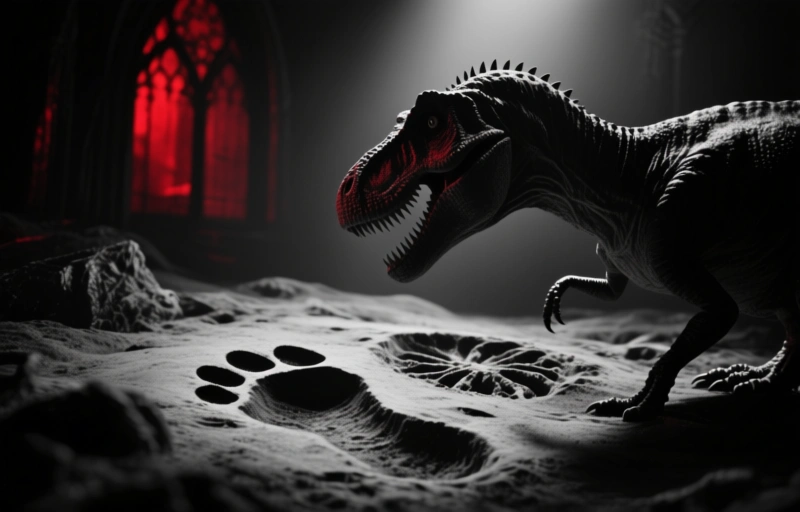
Artificial intelligence is revolutionizing paleontology by analyzing dinosaur footprints with unprecedented precision, uncovering behavioral patterns and solving mysteries that have puzzled scientists for decades.
You know, when we think about the Isle of Skye's craft traditions, we're connecting with history through tangible objects. It's not so different from what paleontologists are doing right now with dinosaur footprints. They're just using a very modern tool to do it.
I was reading about this fascinating development recently. Researchers are now using artificial intelligence to analyze dinosaur footprints in ways that were simply impossible before. It's changing how we understand these ancient creatures.
### How AI Sees What Humans Miss
Here's the thing about dinosaur footprints - they're not always clear. Weather, erosion, and time have blurred many of these ancient tracks. Human eyes can only see so much, especially when patterns are subtle or partially preserved.
That's where AI comes in. These systems can detect patterns and details that even experienced paleontologists might overlook. They're not replacing human expertise, mind you. They're enhancing it, giving researchers new eyes to see old ground.
### The Practical Applications
So what's actually happening? Well, AI is helping with several key challenges:
- Identifying individual animals within mixed trackways
- Determining the speed and gait of dinosaurs from their footprints
- Differentiating between similar species based on subtle track variations
- Reconstructing damaged or incomplete footprints
It's like having a master craftsperson who can look at a worn piece of historic jewelry and see exactly how it was originally made. The AI recognizes patterns in the chaos.
### Why This Matters for Understanding History
Think about it this way. Every footprint tells a story - where the animal was going, how fast it was moving, whether it was alone or in a group. Before AI, researchers had to piece these stories together from incomplete evidence.
Now, they're getting clearer pictures. They can understand herd behavior, predator-prey interactions, and migration patterns with more confidence. It's adding chapters to a story that's millions of years old.
As someone who works with Skye's artisanal heritage, I appreciate this approach. We use traditional knowledge alongside modern techniques to understand our craft history. Paleontologists are doing the same - blending cutting-edge technology with established scientific methods.
### The Human Element Remains Crucial
Here's what I find most interesting. The researchers aren't just letting AI run wild. They're training these systems with expert knowledge, then using the results to inform further investigation. It's a conversation between human intuition and machine learning.
One researcher put it beautifully: "The AI shows us where to look, but we still need to understand what we're seeing."
That resonates with craft preservation too. We can use technology to document and analyze traditional techniques, but the understanding comes from people who've spent their lives with these crafts.
### Looking Forward
What's next? Well, as AI systems get better at recognizing patterns, they'll likely uncover even more insights. Maybe they'll identify previously unknown dinosaur behaviors. Or help match footprints to specific species with greater accuracy.
It's exciting to think about. We're living in a time when technology is helping us connect with the distant past in new ways. Whether it's understanding million-year-old footprints or preserving century-old craft techniques, the goal is the same - to learn from what came before us.
And really, that's what heritage is all about. Looking back to understand, preserve, and sometimes even rediscover what makes our world - and our history - so fascinating.